
Inside Galata Tower: What to Expect, Floor by Floor
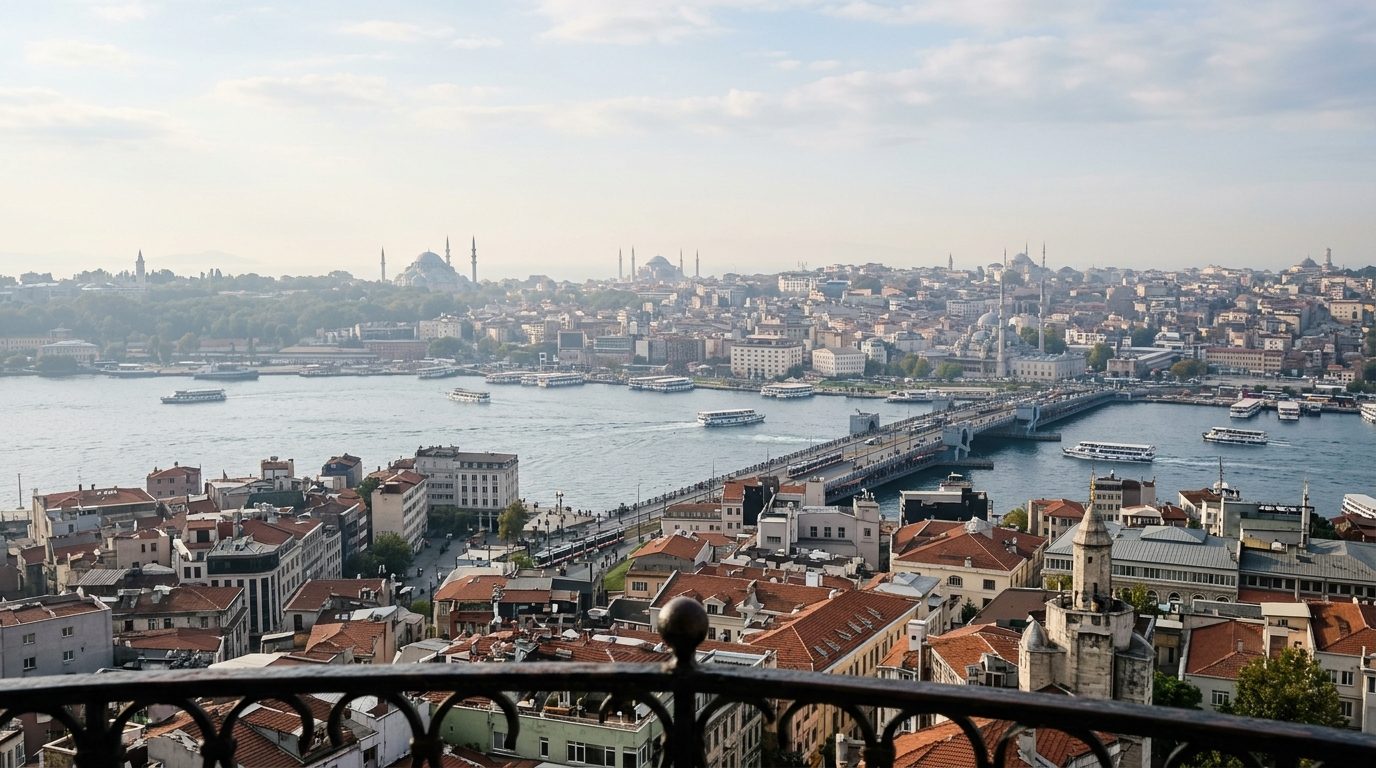
Inside, Galata Tower is a nine-storey stone cylinder threaded with an elevator, wrapped in museum exhibition floors, and capped by the open-air balcony that made it famous. The interior is more intimate than the mighty exterior suggests — the walls are up to 3.75 metres thick, so the rooms inside the 16.5-metre shaft are surprisingly snug — and the whole visit flows one way: up, around the view, and back down.
Here is exactly what you’ll find, level by level, and how the route works. For the story behind what you’re standing in, read the tower’s history first; for timing your visit, see plan your visit.
The route: elevator up, stairs for the finale
From the entrance you pass a security check, then queue for the elevator, which climbs most of the tower in under a minute. From the upper elevator landing, two flights of stairs finish the journey to the panorama level. The stairs are the medieval part of the experience — stone-walled, spiral and narrow — and they are unavoidable if you want the balcony.
Prefer to earn the view? The full staircase from bottom to top runs to roughly 146 steps. It’s a steady, manageable climb, though most visitors save their legs for Galata’s steep lanes outside.
The exhibition floors
Since the tower reopened as a museum in 2020, the middle storeys have carried exhibitions that walk you through its seven centuries. Displays and digital presentations cover the Genoese colony and its walls, the great chain of the Golden Horn, the tower’s Ottoman working lives — prison, naval store, fire lookout — and its restorations. Pride of place goes to the tale of Hezarfen Ahmed Çelebi, the legendary 17th-century aviator said to have glided from this very tower to the Asian shore; the full legend is worth reading before you stand at his supposed launch point.
The floors are compact — think chapters, not galleries — and ten to fifteen minutes covers them comfortably. If museum detail is your thing, the restoration article explains what the 2020 works changed inside.
The observation balcony
The reason everyone comes. The balcony rings the ninth floor at about 51.7 metres above the street — and because the tower stands on Galata hill, the true height above the water is far greater. The full circuit gives you, in order: the Golden Horn and its bridges, the old city skyline — Topkapı Palace, Hagia Sophia, the Blue Mosque and the Süleymaniye lined up like a postcard — then the mouth of the Bosphorus, the Asian shore, and the rooftops of Beyoğlu climbing toward Taksim.
A few practical truths about the balcony:
- It is narrow. Two people can pass; tripods and wide bags make you unpopular. Flow is one-directional at busy times.
- It is windy. Even on warm days, bring a layer and grip your phone properly over the rail.
- Sunset is the crush. The hour before dusk is the busiest of the day, every day. Early morning gives you the same skyline with room to breathe.
- The glass matters too. The indoor floor below the balcony has tall windows — a fallback if weather or vertigo argues against the open air.
The café floor
Below the panorama level, a small café serves coffee and snacks with window views. It’s a pleasant pause, but manage expectations: this is a museum refreshment stop, not the white-tablecloth restaurant of the tower’s 20th-century nightclub era. Better food and better prices wait in the lanes below the tower.
How long does the interior take?
Elevator queue aside, the interior is a 45–60 minute experience: a few minutes up, ten to fifteen on the exhibition floors, and as long as you can claim on the balcony. On crowded evenings, entry may be paced in batches, which mainly stretches the wait downstairs rather than your time up top. The opening hours page lists the quiet windows; go early or late and the tower feels close to private.
One thing to arrange before you’re standing at the door: entry is ticketed for every visitor, and the walk-up line at peak hours is the slowest part of the whole building. Sort your entry ticket online in advance and the elevator queue becomes your only wait.
What the visit looks like
Pictures set expectations better than floor plans, so here is the visit in three frames — the same views you will see in person, no drone required.
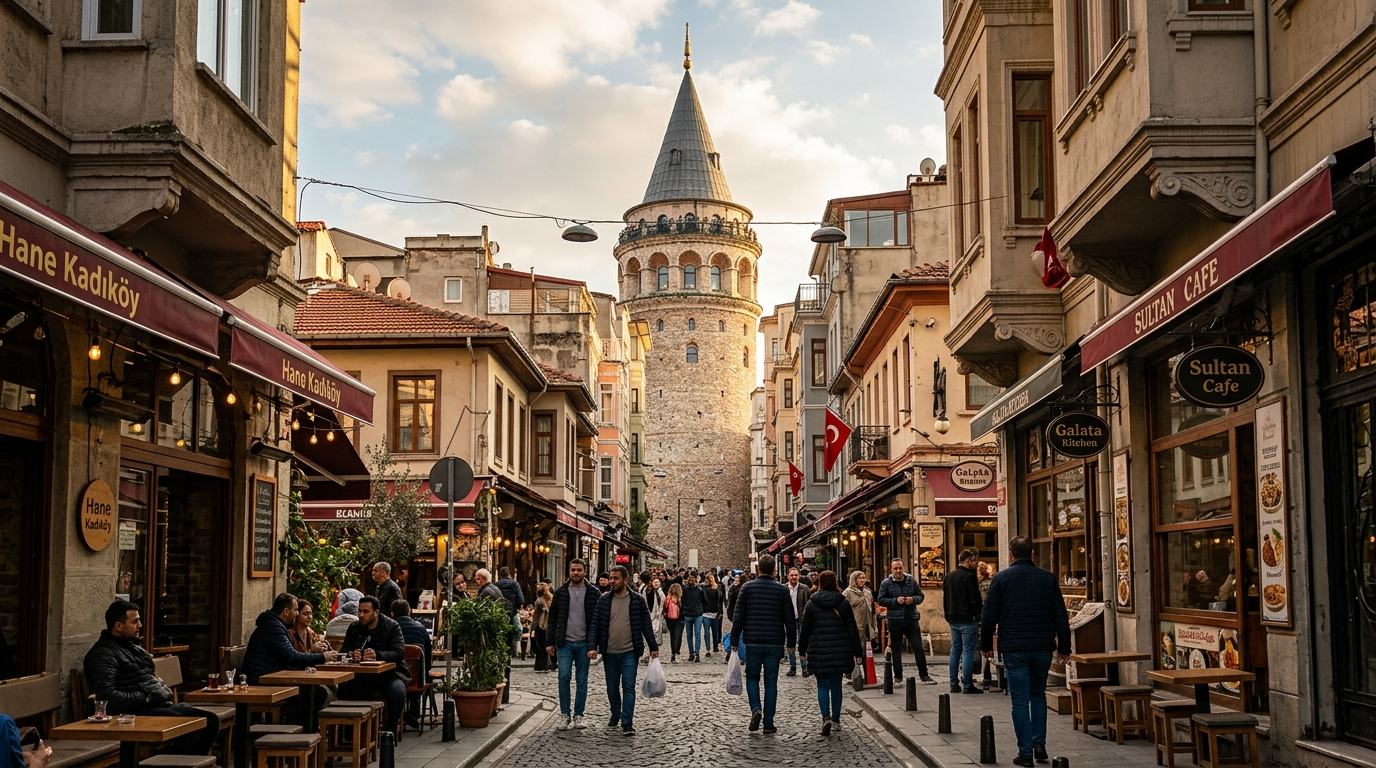
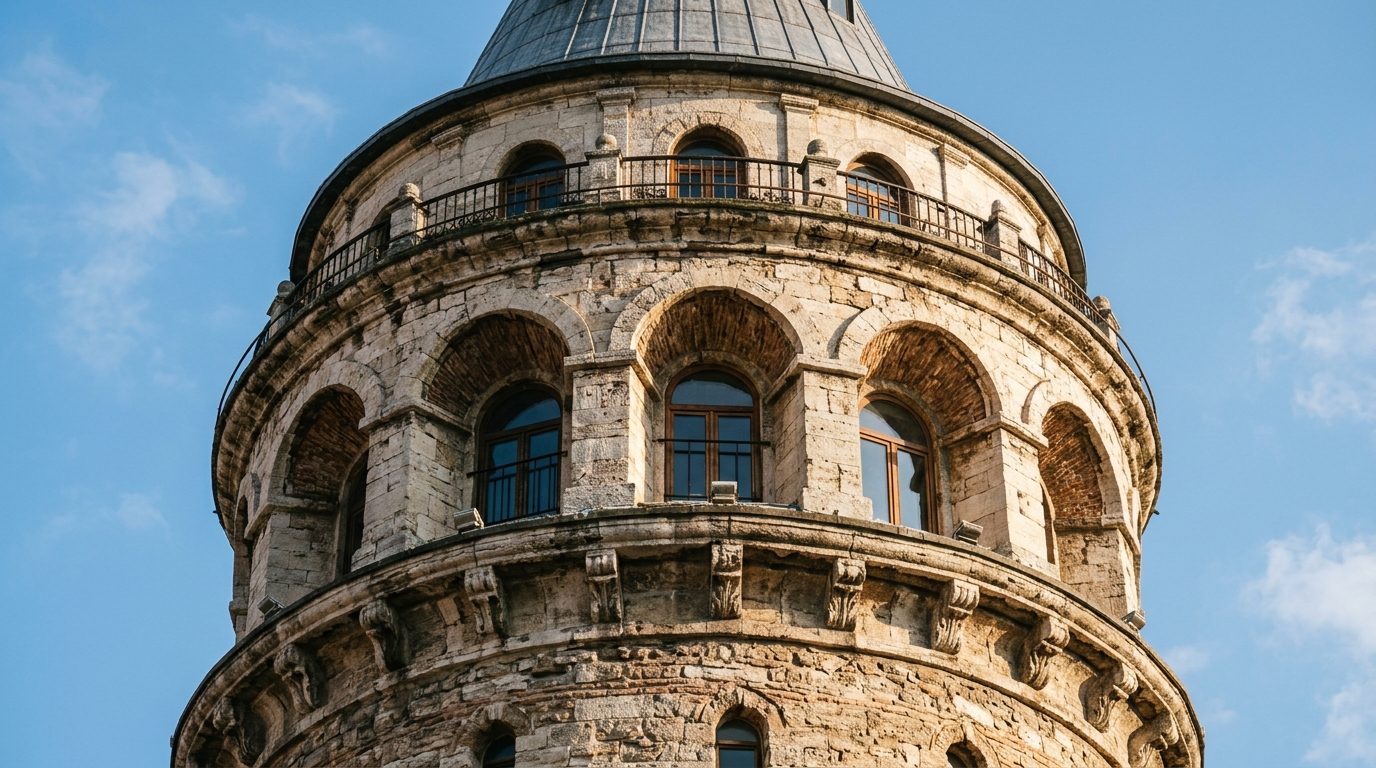
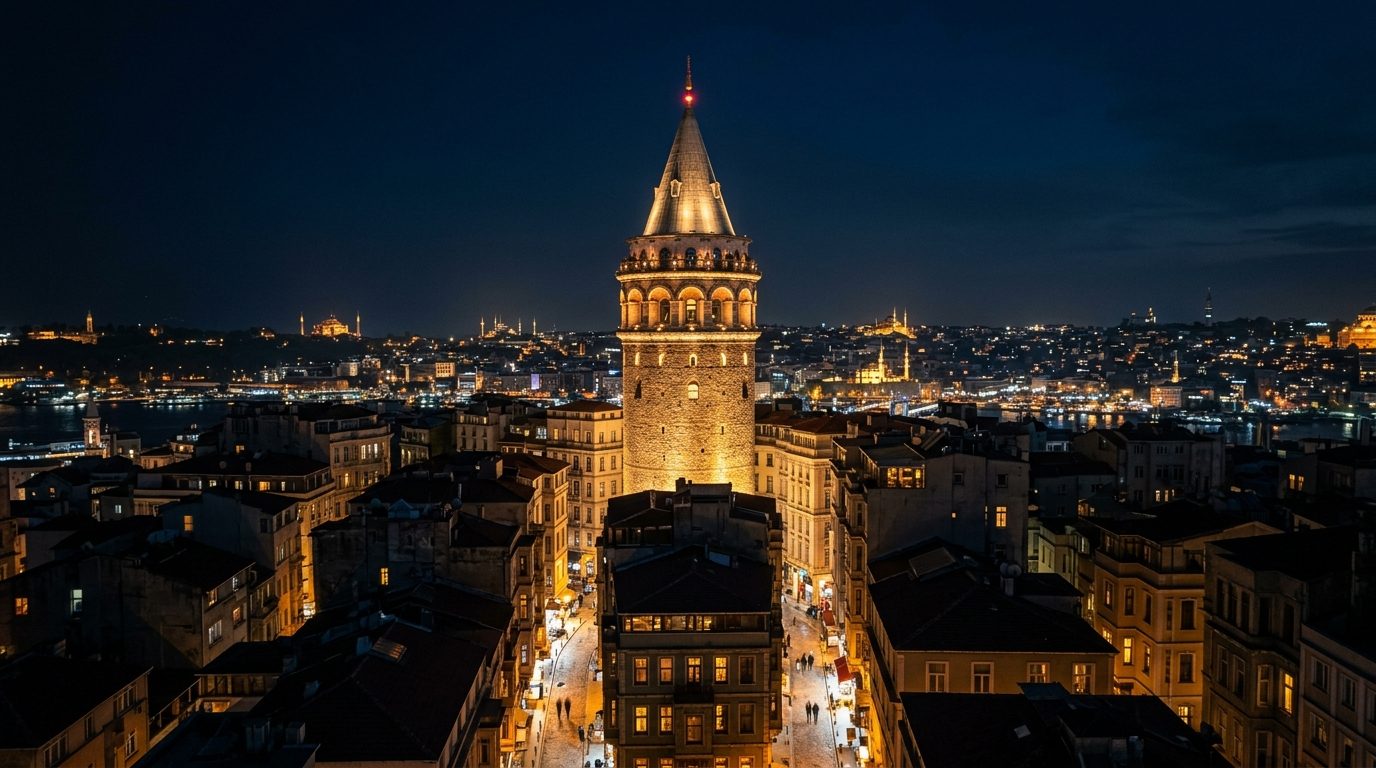
What no picture carries is the wind on the balcony and the hill the tower borrows — those you collect in person. For hunting the golden-hour skyline shots of the tower itself, our sister guide covers the views and where to catch them.